Across Central Pennsylvania, most commercial properties already have alarm systems in place, with doors protected, motion detected, and alerts sent whenever something changes inside or around the building. The issue is not detection, it is understanding what that alert actually represents when it occurs.
Park Security Systems works with businesses that encounter this limitation when an event needs to be reviewed. An alarm may trigger after hours, but without clear context, it becomes difficult to determine whether the activity is expected, accidental, or something that requires immediate attention. The signal is there, but the explanation often is not.
Detection Does Not Equal Clarity
Alarm systems are designed to identify activity, not interpret it, which is where the gap begins to show.
A door opening outside of schedule may be tied to a legitimate employee, a vendor, or someone entering without authorization, while motion inside a building could be routine or unexpected depending on the time and location. Without additional context, every alert requires a decision, and that decision is often made without enough information.
Over time, this creates a pattern. Businesses either respond to everything and deal with unnecessary disruption, or they begin to ignore alerts that repeatedly turn out to be routine. Neither approach is sustainable, and both introduce risk in different ways.
Why Events Need to Be Seen, Not Just Triggered
This is where video begins to change the role of the system.
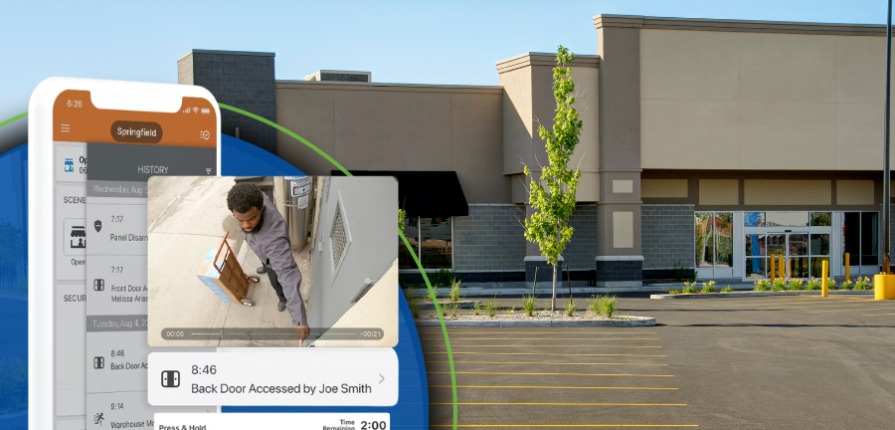
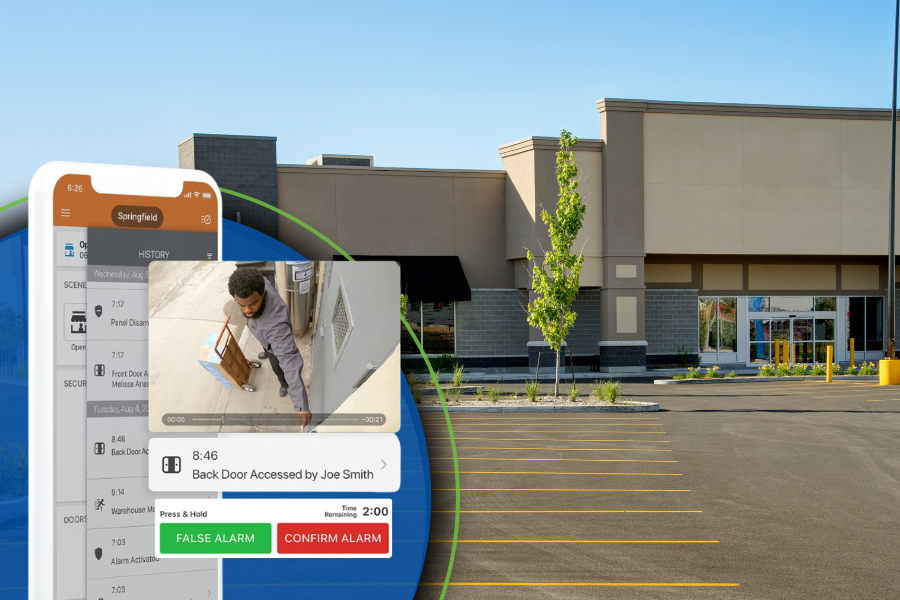
When alarm activity is tied directly to video, the situation can be reviewed immediately rather than interpreted after the fact. A door event can be matched with footage, and movement can be confirmed or dismissed in real time, which removes much of the uncertainty that slows response.
We structure commercial environments so intrusion detection and video surveillance support each other, allowing events to be understood quickly instead of pieced together later.
If your system sends alerts but still leaves you unsure what actually happened, it may be worth reviewing how those events are being handled. Call Park Security Systems at 1-866-695-6695 or contact us here to schedule a system review.
Where This Becomes Most Noticeable
This gap becomes more apparent after hours, when there is no one on site to provide immediate context.
In a warehouse, a late-night door event may or may not be expected depending on scheduling and access permissions. In a multi-tenant building, access outside of normal hours can be difficult to verify without additional visibility. In retail or dealership environments, movement on the property may require quick interpretation to determine whether it is routine or not. In each case, the system detects something, but it does not fully explain it.
How Monitoring Changes the Role of the System
When monitoring includes verification, the process becomes more direct.
With VideoGuard, alarm and motion events can be reviewed as they occur, allowing trained operators to determine whether activity is normal, issue a warning when needed, or escalate when something is out of place. Instead of relying on a notification alone, the system provides a clearer picture of what is happening at the moment it happens.
This reduces the need for guesswork and allows businesses to respond with more confidence.
When Systems Are Structured Correctly
The difference is not in the number of devices installed, but in how those devices work together. When alarms, video, and access activity are aligned, events can be reviewed in context rather than assembled from separate systems. This makes it easier to understand what occurred and why, without relying on assumptions or delayed review.
For businesses that rely on timely response and clear documentation, that structure becomes more important than any individual component.
If your current system detects activity but does not provide clear answers when something happens, it may be time to review how it is set up. Call Park Security Systems at 1-866-695-6695 or contact us here to schedule a commercial security consultation.

Connect with Us